The Program
2026-02-24
I still feel gross from my flu, but I'm about 90% recovered. It's been tough getting up in the mornings, but that's nothing new. The best strategy I've found that consistently gets me up in the morning is keeping my phone by my desk so that when my alarm goes off, I have to get up to turn it off. From there, I go straight into my morning routine. Most days, this is a sufficient way to get my day started. Some days, I wake up too tired to even get the morning routine started, and I go right back to sleep. Usually when that happens, I'll sleep the entire morning and wake up at noon. Truthfully, if I need the rest, then there's no getting around that.
Of course, I want to try and start my day off right, and even though it's discouraging when those kinds of days happen, they're not as frequent as they used to be. To me, that kind of tangible progress matters. I've had to learn the importance of taking things slowly with myself and to stay patient and compassionate. I've had a bad habit of dialing up the intensity of things too early, which historically has led to some kind of burnout. I know now that I can be dedicated to something but not get myself stuck in tunnel vision.
All-or-nothing thinking is dangerous.
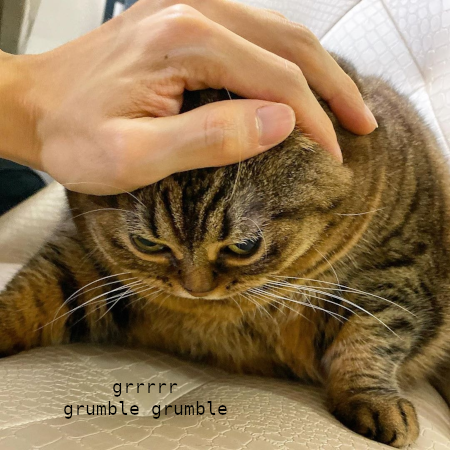
For me, I just have to take the day as it comes. There's no sense in worrying about yesterday or tomorrow. I've found that the more I stay in the present, the better off I am. Most things in life are fleeting, and fortune is most certainly one of them. Good things can happen, and when they do, I try my best to retain gratitude. Bad things happen all the time, but I know that I don't have to let them define me in any kind of way. When dealt a bad hand, I try to practice radical acceptance.
I think it's important to understand that the circumstances we find ourselves in are simply accessories to the internal experience we live. Most people have this basic metaphysical ontology: there's the material "real" world where other people and things live, and then there's an immaterial "fake" world where we find things like thoughts and ideas. Because of this dichotomy, people place more prescience on the material world, since that's the one they receive the most feedback from. However, I believe the inverse.
The material world is the true illusion, and the only "true" source of reality comes from that immaterial place where thoughts and ideas live. I am not influenced by my external circumstances but my internal ones; my thoughts shape my reality. This is why I find it crucial to have a proper "information diet" and positive social relationships. The ideas that come from those things literally change who I am, day in and day out. The change can be rapid and punctual, but it can also be gradual and not easily noticed from one day to the next. When I look back, however, the gradual changes are more monumental than the rapid ones.

Mental resilience is the single most important skill to develop. No one has innate talent for it; the only way to shape it is through experience. But when it is developed, the returns from it are nothing less than substantial. I believe that we are all uniquely qualified to live our own lives, that there's no way I can go through what you've been through and vice versa. But through the cultivation of a rich inner world, one can build resilience in ways that go far beyond matters of fortitude. Discipline, something we all wish we had more of, is itself an emotion; it isn't meant to last and can only be accessed when certain conditions have already been met.
That's not to say that one should put off this or that and "wait" for discipline to come. Instead, it's important to build a house for it so that it has somewhere to stay when it does come. But it's important to not keep it hostage; those moments where you're running on fumes don't make it easy for discipline to come back further down the line. I find myself searching and digging for discipline frequently, but the main way I get it is through doing the small stuff right first. As simple as it is to brush your teeth when you wake up in the morning, that little habit goes miles for things down the road. I found myself asking the question of "how do I write that great work?" What I did was that I tried skipping to step ten when I should've been focused on step one: I had to build the routines around the writing so that I could prime myself to write properly.
Once I figured those out, the rest was simple: stick to the program.
Bitcoin address: bc1qtgqvj6qjxnaxkns20x5rcwnxvv3jqzhduvvxfc