Power Meditation
2025-12-22
I've been thinking a bit this morning about power. Power is an odd thing because to those who don't have it, there's a great sense of disparity. Yet for those who are powerful, they still have to contend with their humanity. Thus, the responsibility is inescapable. When I was a bit younger, I had distinct phases where I was reading a lot of the Young Hegelians (Marx, Stirner, etc.) and felt that there could be a way toward a world where power structures could be toppled and there could be true equity among all. To me, this equity felt like the true ideal that humanity is meant to strive for. Nowadays, however, my position has changed.
As humanity has progressed through different governmental and economic paradigms, it has often been argued that there is a clear distinction between systems such as feudalism and capitalism or monarchy and the constitutional republic. The way I see it, however, is that behind all of these paradigms exists the same fundamental principles of human nature. In early human history, it seems to me that there is a more direct consent between those with power and those without.

Scholars of the past, even going as far back as antiquity, have stated that masters and slaves exist in the same way as wind and rain. These positions are immovable fixtures, yet during Hegel's life and after, a deconstruction emerged. Hegel claimed that the existence of the master/slave relationship hinged entirely on the mutual acknowledgement between master and slave. Without this, there is nothing at all.
What we've seen from this deconstruction are less genuine paradigms. Power still rests in the hands of a few. People still consent to subjugation. But instead what we see today is a slew of propaganda that claims false ideals like individual liberty and democracy are what make the world go round. This illusion is comforting because it absolves us from asking whether we would behave any differently if we were the ones at the top. Those who are truly in power, such as heads of state or billionaires, are lauded now as individuals of great merit and that any one of us could sit in their seats if we work diligently and intelligently enough. To those without power, they lack it due to flaws of character and not any kind of systemic inconsistency.
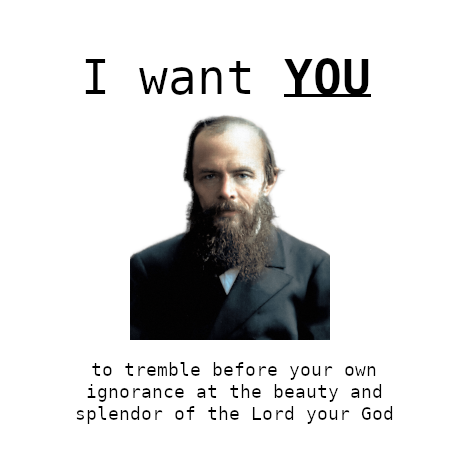
But here's the thing: this idea that power is unfairly distributed is actually positive. I say this because God will always be above all of us. Spiritually, hierarchy is an important function of order. Organizations run better when there is a clear chain of command. The discomfort people feel toward unequal power is denial disguised as injustice. It's also important to remember that through this chain of command, there is always going to be a great responsibility for those in power to treat their subjects fairly. As Hobbes famously put it: power ultimately rests with the governed.
I think about all of this because I always struggled with feelings of distrust towards institutions. Corruption is an unfortunate reality within them, and it's easy to look at that and call the systems behind institutions broken and that we need to think of better ways to run things. What I understand now, though, is that these institutions will always be experienced as broken because my criticisms towards corruption aren't systemic, but relational. The problems will always stem from the people within the institutions, not the institutions themselves. Redemption, then, becomes a personal issue and not a systemic one.
There's no system that will protect us from ourselves.
The more we try to eliminate corruption, the more it amplifies.
Instead of trying to abolish power, we need to become more thoughtful with who we choose to wield it. The real test of any society isn’t who holds power, but whether those who don’t would refuse it if it were offered.